
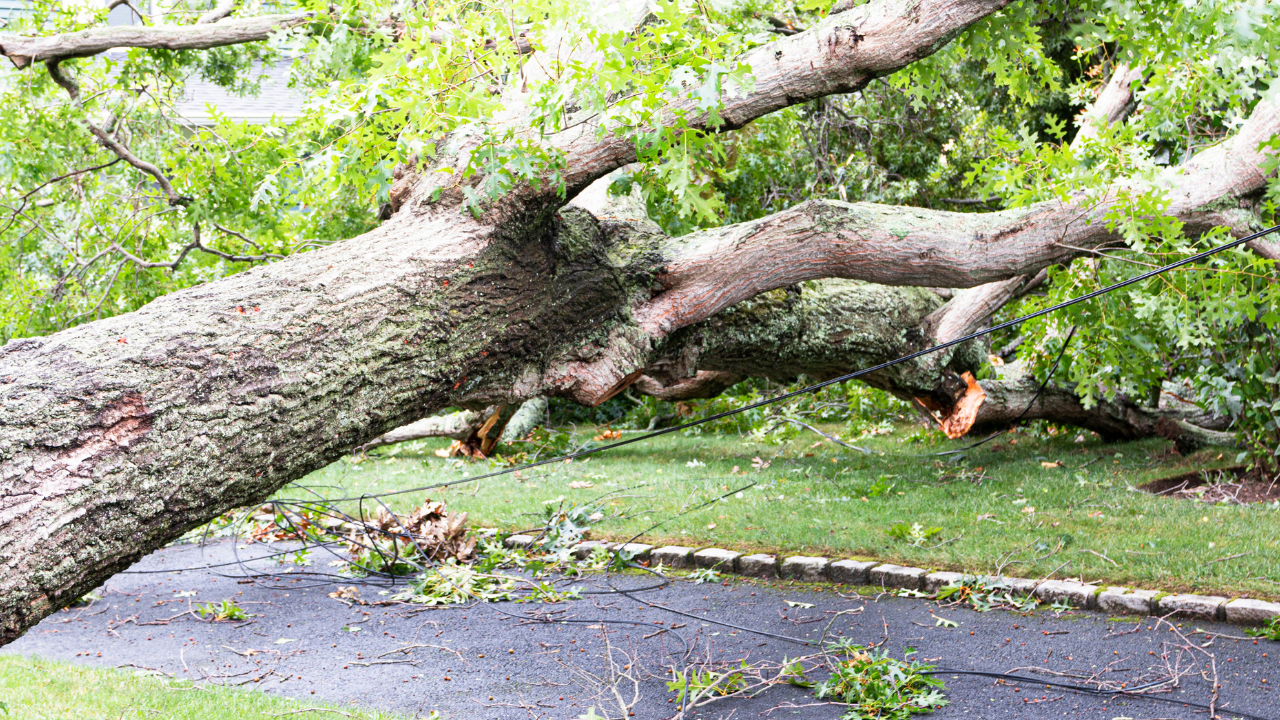
Incident Response & Stabilization
When Conditions Change, Control Must Be Maintained
Serious incidents—fatalities, life-altering injuries, or high-consequence near-misses—create immediate operational, regulatory, and leadership pressure. Decisions made in the first hours and days shape not only regulatory outcomes, but long-term stability and organizational response.
The priority is not reaction. It is maintaining control.

Where Risk Develops After an Incident
Following a serious event, exposure often increases due to:
Unstructured internal response and conflicting direction
Premature conclusions or hindsight-driven decisions
Misalignment between leadership, legal, and operations
Overcorrection through policy changes not grounded in field reality
Unmanaged communication with regulators, media, or stakeholders
Without structure, the response itself can create additional risk.
How The InfraRISK Group Supports
The InfraRISK Group provides structured incident response and stabilization support focused on maintaining control and clarity.
This includes:
Immediate response guidance and leadership alignment
Regulatory engagement support and communication structure
Development of defensible, fact-based positions
Separation of fact-finding from assumption and hindsight bias
Stabilization of operations to prevent secondary disruption
Our role is to bring structure to a high-pressure environment—ensuring that response actions reflect actual conditions and support long-term control.
Stabilization Over Reaction
The objective is not to create more process.
It is to ensure that decisions made under pressure do not introduce additional exposure.
Evaluate Exposure
If a serious event has occurred or conditions are uncertain, early clarity is critical.