
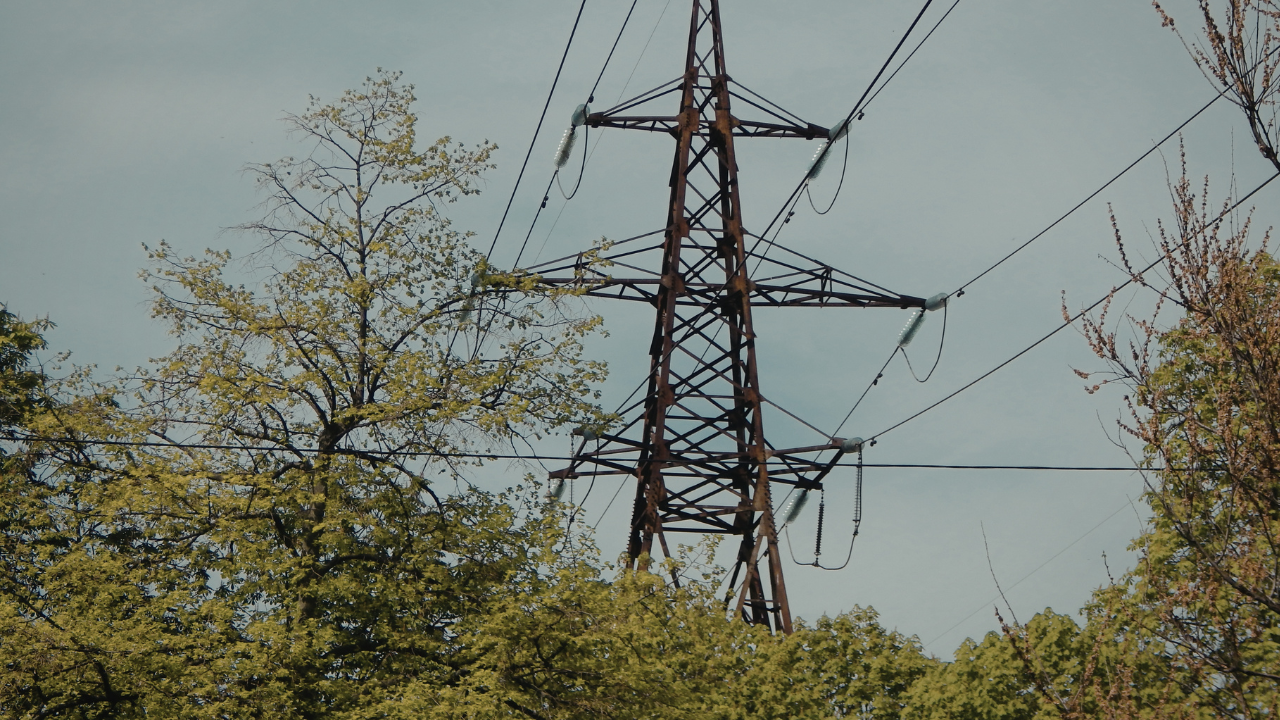
Utility Vegetation Management & Arboriculture
Operating in Exposure-Rich Environments
Utility vegetation management (UVM), arboriculture, and urban forestry operations exist in environments where routine work carries the potential for serious outcomes. Crews operate in close proximity to energized conductors, manage dynamic tree behavior, and work with equipment and systems that introduce high-energy exposure.
Conditions are constantly changing—weather, terrain, vegetation characteristics, and production demands all influence how work is performed. In these environments, risk is not defined by minor incidents, but by the potential for a single catastrophic event.
Where Exposure Exists
Exposure within UVM and arboriculture operations is driven by the interaction of people, equipment, environment, and energy.
Electrical Contact
Work performed near energized systems creates constant exposure to electrical proximity, induction, and contact risk—particularly where qualification, verification, or field conditions vary.Rigging and Tree Movement
Uncontrolled movement of wood under tension, compression, or load can result in struck-by incidents, equipment damage, or loss of control during removal operations.Traffic and Roadside Operations
Crews frequently operate in active roadways or near traffic, introducing exposure to vehicle strikes, limited visibility, and coordination challenges.Storm Response and Emergency Work
Extended hours, fatigue, damaged infrastructure, and urgency during storm response amplify exposure and reduce system reliability.
These conditions are present in routine operations, not just during unusual events.
Common Gaps
In many organizations, the greatest exposure does not come from the absence of policies, but from how systems function in practice.
Supervision Depth
Limited or inconsistent supervision reduces the ability to verify conditions, reinforce expectations, and maintain control across decentralized crews.Work-as-Done Drift
Differences between written procedures and actual field execution create gaps that are often invisible until an event occurs.Qualification and Verification
Inconsistent qualification systems or lack of field-level validation can result in crews operating beyond their demonstrated capability.Production Pressure and Variability
Changing work conditions, customer demands, and production expectations can influence decision-making at the field level in ways that are not always visible to leadership.
These gaps are often not reflected in traditional metrics or reporting.
How We Support
The InfraRISK Group works directly with UVM and arboriculture organizations to identify where exposure exists, understand how it develops, and strengthen the systems that control it.
This includes:
Evaluation of high-energy hazard exposure across field operations
Work-as-done assessment compared to written procedures and expectations
Validation of qualification systems and supervision structures
SIF exposure mapping and operational risk reviews
Governance system evaluation and alignment
Safety and Risk
Post-incident stabilization and structured response support
We support the development of practical implementation roadmaps and leadership capability required to ensure changes are applied in the field and sustained over time.
The focus is not on documentation, but on how work is actually performed and how control is maintained under real conditions.
Evaluate Exposure
If your operation involves work in proximity to energized systems, dynamic tree conditions, and variable field environments, exposure is inherent and must be clearly understood.